Blog

  • Lipstick Shades for Fair Skin Tones: Your Complete Guide

    Lipstick Shades for Fair Skin Tones: Your Complete Guide

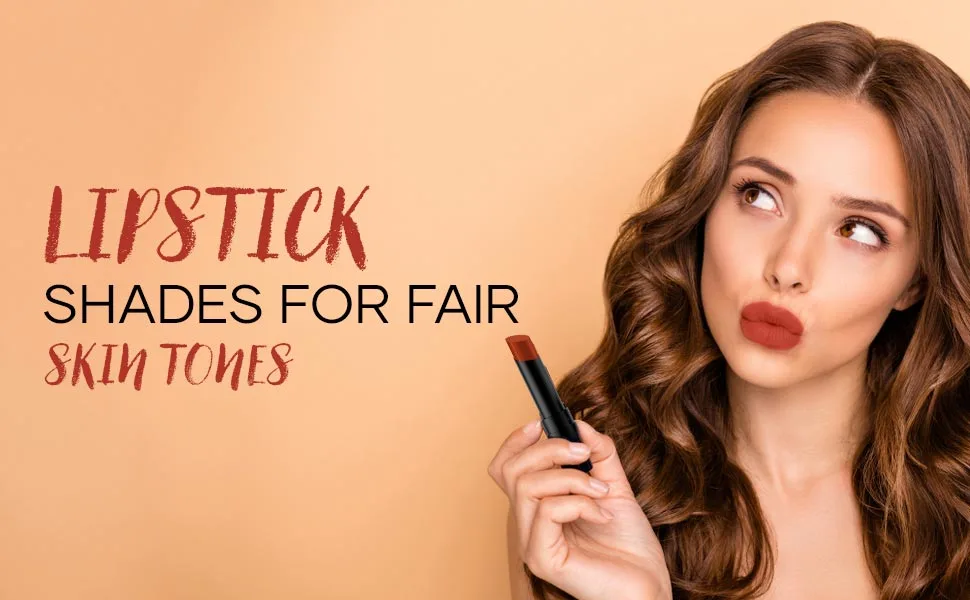
    Finding the ideal lipstick shade for fair skin tones can significantly enhance your appearance and boost your confidence. With a myriad of colors and finishes available, it’s essential to choose hues that complement your light complexion and bring out your natural beauty. This comprehensive guide will help you navigate the best lipstick shades for fair skin tones, offering tips and answering frequently asked questions to ensure you find the perfect match.

    Fair skin tones are characterized by a light complexion with pink, peach, or neutral undertones. These skin tones can range from porcelain to ivory, and the right lipstick shade can enhance your natural features while harmonizing with your skin tone. When selecting a lipstick, consider your undertone and how different colors will affect your overall look.

    Top Lipstick Shades for Fair Skin Tones

    1. Soft Pinks and Rosy Hues

    Soft pinks and rosy shades are perfect for fair skin tones. These colors add a gentle touch of color without overpowering your complexion. Shades like pastel pink, baby pink, and rosy pink are ideal for a fresh, youthful look. They can brighten up your face and offer a subtle, elegant appearance suitable for both daily wear and special occasions.

    • Pastel Pink: Light and airy, this shade enhances your natural glow and is perfect for a soft, romantic look.
    • Baby Pink: A classic choice that adds a touch of sweetness and freshness.
    • Rosy Pink: Adds a bit more depth and warmth, making it versatile for various looks.
    2. Classic Reds

    Classic red lipsticks are a timeless choice for fair skin tones. Opt for reds with blue undertones, such as cherry red, ruby red, or true red, to create a stunning contrast with lighter skin. These bold shades not only make a statement but also add a sophisticated touch to your look, making them perfect for evening events or special occasions.

    • Cherry Red: A vibrant and bold shade that creates a striking contrast and enhances fair skin tones.
    • Ruby Red: Rich and luxurious, ideal for a glamorous, evening look.
    • True Red: A versatile classic that suits almost any occasion.
    3. Nude Shades

    Nude lipsticks can be incredibly flattering on fair skin when chosen with care. Look for nudes with pink or peach undertones to avoid a washed-out appearance. Shades like light pink nude, peachy nude, and beige nude can provide a natural, polished look. These shades are perfect for everyday wear and can be paired with a range of makeup looks.

    • Light Pink Nude: Offers a soft, natural look that complements fair skin beautifully.
    • Peachy Nude: Adds a hint of warmth, perfect for a sun-kissed glow.
    • Beige Nude: Provides a subtle, understated look that works well for professional settings.
    4. Coral and Peach Tones

    Coral and peach lipsticks bring a vibrant, sunny touch to fair skin tones. These shades can brighten up your appearance and add a lively pop of color. Soft corals and peaches are great for a casual, everyday look, while deeper coral shades can be used for more dramatic effects.

    • Soft Coral: A gentle, warm shade that adds a fresh and radiant touch.
    • Peach: Provides a natural, glowing appearance with a touch of warmth.
    • Deep Coral: Ideal for a more dramatic, bold look.
    5. Berry and Plum Shades

    Berry and plum shades offer a rich, sophisticated look that can be particularly flattering for fair skin tones. These deep, bold colors are perfect for cooler weather or evening events, adding a touch of elegance and intensity to your makeup. Shades like raspberry, blackberry, and deep plum are excellent choices for creating a striking appearance.

    • Raspberry: A bright and bold berry shade that adds a pop of color and sophistication.
    • Blackberry: A deep, rich hue that provides a dramatic, elegant look.
    • Deep Plum: Ideal for creating a sophisticated, evening-ready appearance.
    6. Glossy and Sheer Formulas

    For a more natural, understated look, glossy and sheer lipsticks are excellent choices. These formulas provide a subtle shine and can be easier to wear on a daily basis. Choose shades that complement your skin tone to achieve a light, refreshing touch that enhances your natural beauty.

    • Glossy: Offers a shiny finish that adds a youthful and fresh appearance.
    • Sheer: Provides a light wash of color, perfect for a natural look.

    Tips for Choosing Lipstick Shades for Fair Skin Tones

    Test Before You Buy: Always test lipstick shades in natural light to see their true color against your skin. This helps you avoid purchasing shades that may appear different under artificial lighting.

    Consider Your Undertones: Identify your skin’s undertone—pink, peach, or neutral. Choose shades that align with your undertone to achieve a more flattering and harmonious look.

    Experiment with Formulas: Different lipstick formulas (matte, glossy, satin) can affect the overall appearance. Experiment with various formulas to find what suits your style and skin type best.

    Match with Makeup: Ensure your lipstick shade complements your overall makeup, including eyeshadow and blush. This creates a cohesive look that enhances your overall appearance.

    Adjust for Seasons: Consider adjusting your lipstick shades based on the seasons. Lighter shades are great for spring and summer, while deeper hues are perfect for fall and winter.

    FAQs About Lipstick Shades for Fair Skin Tones

    Q1: What are the best red lipstick shades for fair skin tones?

    A1: Classic reds with blue undertones, such as cherry red and ruby red, are ideal for fair skin tones. These shades create a beautiful contrast with lighter skin and enhance your complexion.

    Q2: Can I wear dark lipstick shades if I have fair skin?

    A2: Yes, dark lipstick shades like berry and plum can look stunning on fair skin. These deep colors add sophistication and are perfect for evening events or cooler weather.

    Q3: Are nude lipsticks suitable for fair skin tones?

    A3: Nude lipsticks can be flattering if chosen with care. Opt for nudes with pink or peach undertones rather than brown or beige to avoid a washed-out appearance.

    Q4: How do I choose the right lipstick shade for my undertone?

    A4: Determine your skin’s undertone—pink, peach, or neutral—and select shades that complement your undertone. This will enhance your natural complexion and create a harmonious look.

    Q5: What lipstick formulas work best for fair skin?

    A5: Glossy and sheer formulas provide a subtle, natural look, while matte formulas offer a bold, long-lasting finish. Experiment with different formulas to find what works best for you.

    Conclusion

    Choosing the right lipstick shades for fair skin tones involves understanding your complexion, experimenting with different colors, and considering various formulas. Soft pinks, classic reds, nudes, corals, berries, and glossy finishes are all excellent choices that can enhance your natural beauty. By following these guidelines and addressing common questions, you can find the perfect lipstick shade that complements your fair skin and boosts your confidence.

    For personalized advice, consider consulting with a beauty expert who can provide tailored recommendations based on your unique skin tone and preferences.

  • Eye Makeup Tutorial: Learn How to Create Brown Smokey Eyes

    Eye Makeup Tutorial: Learn How to Create Brown Smokey Eyes

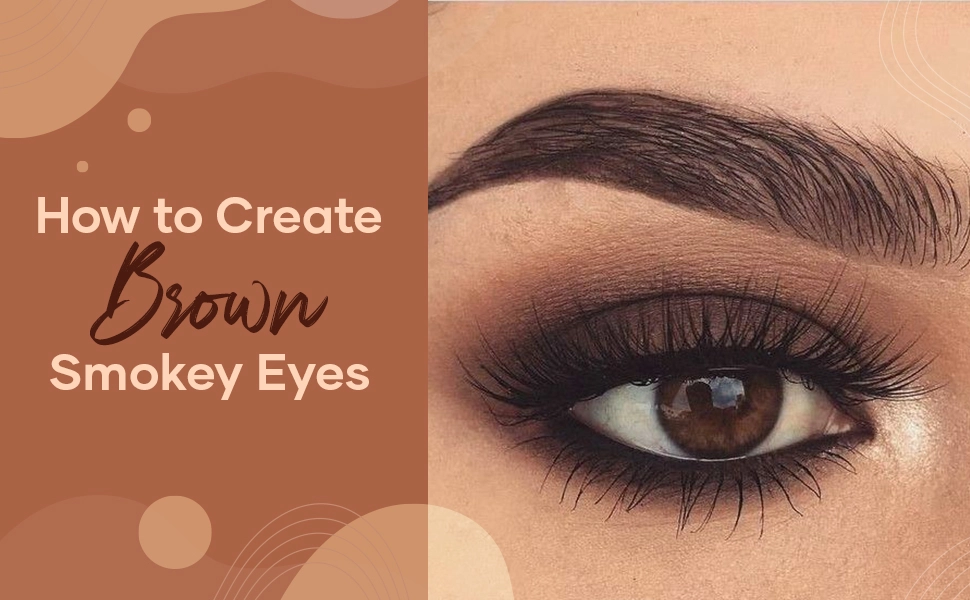
    Creating a stunning brown smokey eye look is a must-have skill in any makeup lover’s repertoire. Whether you’re aiming for a sultry evening vibe or a sophisticated daytime style, the brown smokey eye offers a versatile and universally flattering option. In this tutorial, we’ll walk you through every step to achieve a flawless brown smokey eye that will make your eyes pop.

    Introduction to Brown Smokey Eyes

    What Makes Brown Smokey Eyes So Popular?

    Brown smokey eyes are a go-to look for many because they’re both versatile and timeless. The beauty of this style lies in its adaptability; you can make it as subtle or as bold as you want. It complements all eye colors, making it a staple in everyday makeup routines and special occasions.

    The Versatility of Brown Shades

    Brown shades come in a range of tones and finishes, from matte to shimmer, allowing for endless creativity. You can keep it soft and neutral for a daytime look or layer on darker shades for a dramatic night out. This flexibility makes brown smokey eyes suitable for any event or mood.

    Preparing for the Perfect Brown Smokey Eye Look

    Gather Your Makeup Essentials

    Before diving into the application process, make sure you have all the necessary tools and products on hand.

    Eyeshadow Palettes

    Choose an eyeshadow palette with a variety of brown shades, including light, medium, and dark browns. A palette with a mix of matte and shimmer finishes will provide the most versatility.

    Brushes and Tools

    Invest in a good set of eye makeup brushes. A flat shader brush, a blending brush, and a smudge brush are essential for creating a well-blended smokey eye.

    Other Essentials (Primer, Concealer, etc.)

    A good eye primer is crucial for making your eyeshadow last all day and appear more vibrant. Additionally, a concealer can help to create a smooth canvas and cover any dark circles.

    Prepping Your Eyes for Makeup

    Preparation is key to ensuring your eye makeup looks flawless and stays put.

    Cleanse and Moisturize

    Start by cleansing your face and applying a light moisturizer around the eyes. This step helps in hydrating the skin and creating a smooth base for makeup application.

    Applying Eye Primer

    An eye primer is a must for preventing creases and ensuring your eyeshadow stays vibrant all day. Apply a small amount across your eyelids and blend it in with your fingers or a brush.

    Concealing and Setting the Base

    Use a concealer to cover any discoloration on your eyelids. This will also help the eyeshadow colors to pop. Set the concealer with a translucent powder to prevent it from creasing.

    Step-by-Step Guide to Creating Brown Smokey Eyes

    Step 1: Start with a Neutral Base

    Apply a light, neutral shade all over your eyelid up to the brow bone. This will act as a base and make blending easier.

    Step 2: Build Depth with Medium Brown

    Next, take a medium brown shade and apply it to your crease. Use a fluffy blending brush and blend in a windshield wiper motion. This step helps to create depth and shape.

    Step 3: Intensify with Darker Brown Shades

    Pick a darker brown shade and focus it on the outer corner of your eyelid, blending it into the crease. This will add more depth and intensity to your look.

    Step 4: Blend, Blend, Blend!

    Blending is key to achieving a seamless smokey eye. Make sure there are no harsh lines by blending the edges with a clean blending brush.

    Step 5: Add Definition with Eyeliner

    Choosing the Right Eyeliner

    For a brown smokey eye, a brown or black eyeliner works best. Use a pencil or gel eyeliner to line your upper and lower lash lines.

    Perfecting the Wing

    If you want a more dramatic look, extend the eyeliner slightly past the outer corner of your eye to create a subtle wing.

    Step 6: Highlight and Brighten

    Using Shimmer Eyeshadows

    Apply a shimmer eyeshadow in a light champagne or gold shade to the center of your eyelid. This will catch the light and add a beautiful dimension to your smokey eye.

    Inner Corner Highlight

    To make your eyes look bigger and more awake, apply a highlight shade to the inner corners of your eyes.

    Step 7: Finish with Mascara and False Lashes

    Complete your brown smokey eye with a few coats of mascara. For a more dramatic effect, apply a pair of false lashes.

    Pro Tips for a Flawless Brown Smokey Eye

    Choosing the Right Shades for Your Skin Tone

    Not all browns are created equal. If you have a fair skin tone, opt for cooler brown shades. Warmer browns look stunning on medium to dark skin tones.

    How to Correct Common Mistakes

    If you apply too much eyeshadow, don’t worry! Use a clean brush to blend out any excess product. If your eyeshadow looks uneven, go back with a lighter shade to soften the edges.

    Making Your Smokey Eyes Last Longer

    To ensure your smokey eyes last all day, set your eyeshadow with a setting spray. This will lock in your makeup and prevent it from smudging.

    Recommended Products for Achieving the Look

    Best Eyeshadow Palettes

    Some popular eyeshadow palettes for creating a brown smokey eye include the SVY Cosmetics All-Natural Eyeshadow Palette and the Urban Decay Naked2 Basics Palette.

    Must-Have Brushes and Tools

    A good set of brushes can make a huge difference. Look for brushes that are soft but dense, like the SVY Cosmetics Pro Eye Brush Set.

    High-Quality Eyeliners and Mascaras

    For a smudge-proof eyeliner, try the SVY Cosmetics Waterproof Gel Eyeliner. Finish with the SVY Cosmetics Volumizing Mascara for long, full lashes.

    Conclusion

    Creating a brown smokey eye is easier than you think! With the right tools, products, and techniques, you can achieve a look that’s both stunning and versatile. Don’t be afraid to experiment with different shades and styles to find what suits you best.

    FAQs

    What is the best way to blend eyeshadow for a smokey eye?

    The best way to blend eyeshadow is to use a soft, fluffy blending brush in a back-and-forth motion. This helps to create a seamless transition between colors.

    Can I wear brown smokey eyes for a daytime look?

    Absolutely! For a daytime look, use lighter brown shades and avoid using too much dark eyeshadow.

    How can I make my brown smokey eyes look more dramatic?

    To make your brown smokey eyes more dramatic, add darker shades to the outer corners and lower lash line. You can also use a bold eyeliner and false lashes for extra impact.

    What should I do if my eyeshadow looks patchy?

    If your eyeshadow looks patchy, try using an eye primer before applying the eyeshadow. This helps to create a smooth base and makes blending easier.

    Are there any alternatives to using false lashes?

    Yes, if you prefer not to use false lashes, you can achieve a similar effect by applying several coats of a volumizing mascara or using a lash curler to enhance your natural lashes.

  • Kajal vs. Kohl: What’s the Difference and Which One is Right for You?

    Kajal vs. Kohl: What’s the Difference and Which One is Right for You?

    Kajal and kohl are two iconic eye makeup products that have been used for centuries to enhance the eyes and create a captivating look. While they may seem similar, there are some key differences between them that can influence your choice depending on the look you want to achieve and your personal preferences. In this guide, we will explore everything you need to know about kajal and kohl, including their origins, benefits, differences, and tips for application. We’ll also provide a detailed comparison of SVY Cosmetics’ kajal and kohl products to help you make the best decision for your eye makeup needs.

    What is Kajal?

    Kajal, also known as kohl in some cultures, is a popular eye cosmetic used predominantly in South Asia, the Middle East, and North Africa. Traditionally made from natural ingredients like soot, ghee, camphor, and castor oil, kajal has been used for both cosmetic and medicinal purposes. It is believed to have protective properties against the harsh sun and to prevent eye infections.

    Key Benefits of Kajal:

    • Natural Ingredients: Many kajals are made from natural, organic ingredients, making them suitable for sensitive eyes.
    • Cooling Effect: Ingredients like camphor and castor oil provide a soothing, cooling effect on the eyes.
    • Versatile Application: Kajal can be applied to the waterline, lash line, or even smudged for a smokey eye effect.

    What is Kohl?

    Kohl is another ancient eye cosmetic that has been used for centuries, particularly in the Middle East and North Africa. Traditionally made from finely ground minerals like galena (lead sulfide), kohl is used to line the eyes and create a dramatic, intense look. Modern formulations of kohl often use safer ingredients while maintaining the rich, dark pigmentation that kohl is known for.

    Key Benefits of Kohl:

    • Intense Pigmentation: Kohl is known for its deep, rich color, which provides a bold and dramatic look.
    • Long-Lasting: Many kohl formulations are designed to be smudge-proof and long-wearing, making them ideal for all-day wear.
    • Precise Application: Kohl is available in various forms, including powder, pencil, and cream, allowing for precise application and versatility in makeup looks.

    Key Differences Between Kajal and Kohl

    While kajal and kohl are often used interchangeably, they have distinct differences in terms of composition, application, and effect. Here’s a comparison table to help you understand the key differences between these two products:

    FeatureKajalKohl
    IngredientsMade from natural ingredients like soot, ghee, camphor, and castor oilTraditionally made from ground minerals like galena; modern formulations use safer alternatives
    TextureSoft and creamyCan be powdery, pencil-like, or creamy
    ApplicationEasy to smudge and blend; ideal for a smoky effectOffers precise lines; can be layered for intensity
    DurabilityMay smudge more easily; not always long-lastingGenerally long-lasting; resistant to smudging
    FinishGives a soft, smoky finishProvides a bold, defined look
    Best ForSensitive eyes, natural and soft looksDramatic, bold eye makeup

    Comparing SVY Cosmetics Kajal and Kohl

    SVY Cosmetics offers a range of high-quality kajal and kohl products, each designed to meet different makeup needs. Here’s a comparison of their most popular products:

    FeatureSVY KajalSVY Kohl
    IngredientsOrganic ingredients; free from parabens and sulfatesMineral-based formula; includes natural oils for easy application
    TextureUltra-soft, creamy texture for smooth applicationFirm pencil; powder formula also available
    PigmentationRich pigmentation for a bold look; can be smudged for a softer effectExtremely intense pigmentation; ideal for creating sharp lines
    LongevitySmudge-resistant but not waterproofLong-lasting and waterproof; stays intact all day
    ApplicationGreat for everyday wear and smoky eye looksPerfect for precise lines and dramatic effects
    Suitable ForSensitive eyes, those looking for a natural lookAnyone looking for a long-lasting, intense look
    PriceAffordable, great value for qualitySlightly higher price point but offers superior performance

    How to Choose Between Kajal and Kohl

    Choosing between kajal and kohl depends on your personal preferences, the look you want to achieve, and your skin type. Here are some factors to consider:

    1. Desired Look

    • Soft, Everyday Look: If you’re aiming for a subtle, everyday look, kajal is your best choice. It’s easy to blend and perfect for creating a soft, smoky eye.
    • Bold, Dramatic Look: For a more intense, defined look, kohl is the way to go. Its intense pigmentation and long-lasting formula are perfect for creating bold lines and dramatic eye makeup.

    2. Skin Sensitivity

    • Sensitive Eyes: If you have sensitive eyes or wear contact lenses, opt for kajal made from natural ingredients to avoid irritation.
    • Long-Wear Needs: For long-lasting wear that stays put all day, choose a kohl product, especially in a waterproof formula.

    3. Application Preference

    • Easy Application: Kajal’s creamy texture makes it easy to apply without tugging on the delicate eye area, making it great for beginners.
    • Precise Application: Kohl is ideal for creating sharp, defined lines and is perfect for more advanced makeup users or those looking for a dramatic effect.

    Tips for Applying Kajal and Kohl

    Applying Kajal

    1. Preparation: Start with clean, dry eyes. If you have oily skin, apply a primer or a small amount of translucent powder around the eyes to prevent smudging.
    2. Application: Gently pull down your lower eyelid and apply the kajal along your waterline, starting from the inner corner and moving outward. For a more intense look, apply a thicker line and smudge it with a brush or your fingertip.
    3. Finishing Touches: Apply mascara to complete the look. For a smoky effect, you can blend the kajal on your upper lash line as well.

    Applying Kohl

    1. Preparation: Ensure your eyes are clean and dry. Apply a primer if you want extra staying power.
    2. Application: Apply the kohl along your waterline or lash line, depending on your desired look. Use short, quick strokes for precision. For a more dramatic effect, apply a thicker line or layer the kohl.
    3. Enhancement: For a smokey eye, use a brush to blend the kohl upwards and outwards. Finish with mascara to define your lashes.

    Conclusion

    Both kajal and kohl are versatile and beautiful eye makeup products that can enhance your eyes and complete your look. Whether you prefer the soft, creamy texture of kajal or the bold, intense pigmentation of kohl, SVY Cosmetics offers high-quality options to suit your needs. By understanding the differences between these products and how to apply them effectively, you can create a range of stunning looks, from everyday natural to bold and dramatic.

    FAQs

    1. Can kajal and kohl be used interchangeably?
    Yes, kajal and kohl can often be used interchangeably, but their different textures and formulations may produce slightly different effects. Kajal is softer and creamier, ideal for smudging and creating a smoky effect, while kohl is more intense and long-lasting, perfect for bold, defined lines.

    2. Are SVY Cosmetics’ kajal and kohl suitable for sensitive eyes?
    SVY Cosmetics’ kajal is made with natural, organic ingredients, making it a great option for sensitive eyes. The kohl is also formulated to be gentle, but those with extremely sensitive eyes should do a patch test first to ensure there is no irritation.

    3. How often should I replace my kajal or kohl?
    To avoid potential eye infections, it is recommended to replace your kajal or kohl every 3-6 months, especially if you use them regularly on the waterline. Always make sure to store your makeup products in a clean, dry place.

    4. Can I use kajal or kohl on my upper lash line?
    Absolutely! Both kajal and kohl can be used on the upper lash line to create different looks. Kajal is great for a soft, blended effect, while kohl can create a more defined, intense line.

    5. How do I prevent kajal and kohl from smudging?
    To prevent smudging, consider using a primer on your eyelids before applying kajal or kohl. Opt for waterproof formulations if you need long-lasting wear, and set your makeup with a setting spray to keep it in place all day.

  • Liquid Vs. Gel Vs. Pencil Eyeliner—Which One Is Best?

    Liquid Vs. Gel Vs. Pencil Eyeliner—Which One Is Best?

    Eyeliner is a makeup essential that can dramatically change the way your eyes look. Whether you’re going for a subtle enhancement or a bold, dramatic statement, the right eyeliner can make all the difference. But with so many options available—liquid, pencil, and gel—it can be overwhelming to choose the one that’s best for you. This article will break down the differences between these three popular types of eyeliners, helping you decide which one suits your needs, preferences, and lifestyle.

    What is Liquid Eyeliner?

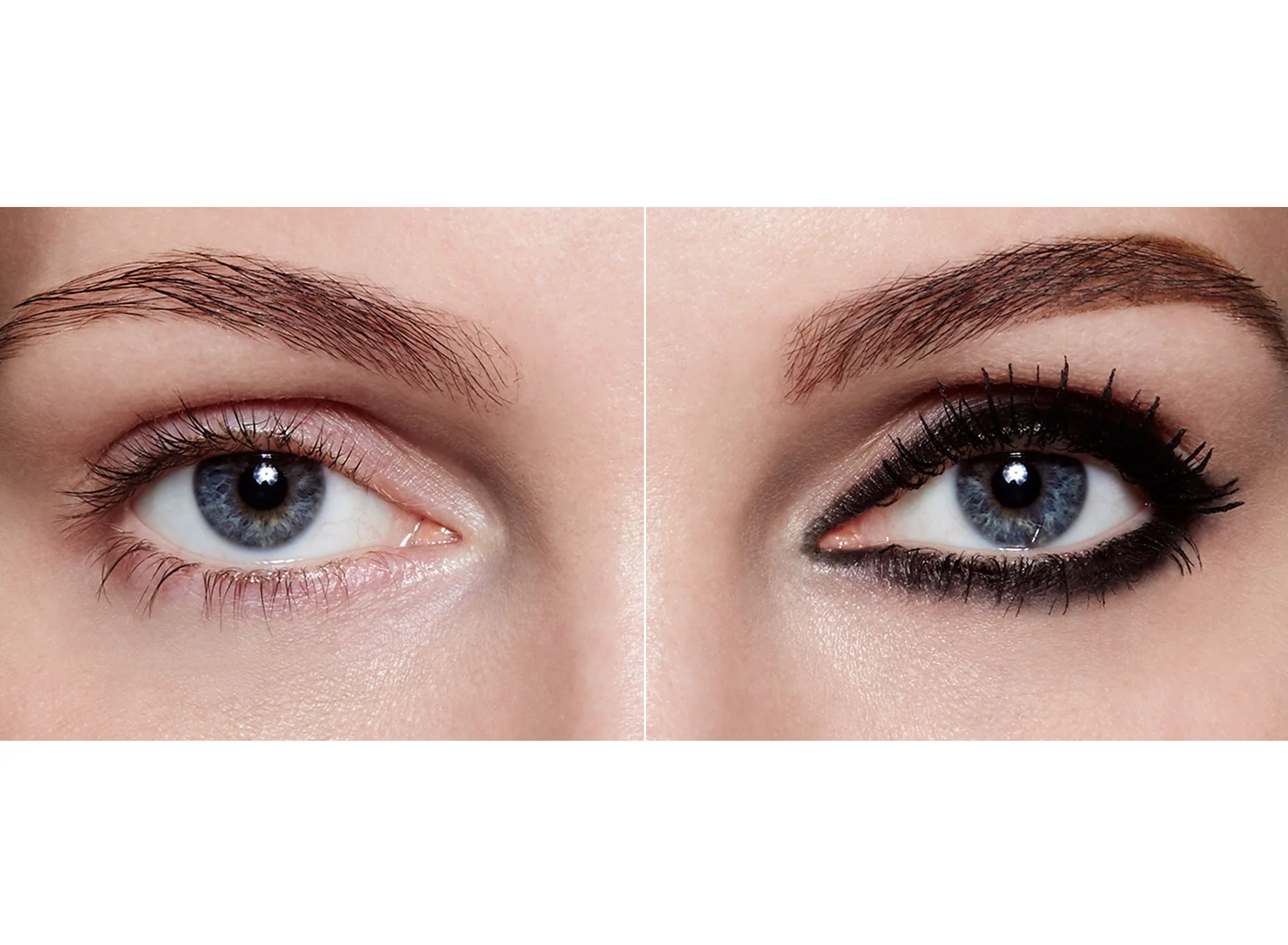
    Liquid eyeliner is known for its intense pigmentation and ability to create sharp, precise lines. It’s a favorite among those who love bold, defined eye looks, especially the classic cat-eye.

    Types of Liquid Eyeliner (Felt-tip vs. Brush-tip)

    Liquid eyeliner comes in two main forms: felt-tip and brush-tip. Felt-tip liners resemble markers, offering more control, making them a great choice for those new to liquid formulas. Brush-tip liners, on the other hand, provide ultra-fine lines but require a steadier hand and more experience.

    Pros of Liquid Eyeliner

    One of the main advantages of liquid eyeliner is its precision. It allows for crisp, sharp lines that are perfect for creating dramatic wings or intricate designs. Liquid eyeliner also tends to last longer than other types, as it usually dries to a smudge-proof finish.

    Cons of Liquid Eyeliner

    However, liquid eyeliner can be tricky to master. Its fluid consistency can make it challenging to apply, especially for beginners. Mistakes can be difficult to correct without removing and reapplying your makeup. Also, if not allowed to dry completely, it can transfer to other parts of your eyelid.

    What is Pencil Eyeliner?

    Pencil eyeliner is perhaps the most traditional form of eyeliner. It comes in a crayon-like format that makes it easy to apply, especially for those who prefer a softer, more natural look.

    Types of Pencil Eyeliner (Traditional vs. Mechanical)

    Pencil eyeliners come in two varieties: traditional and mechanical. Traditional pencil eyeliners need to be sharpened regularly to maintain a fine point, while mechanical pencils twist up to reveal more product, eliminating the need for sharpening.

    Pros of Pencil Eyeliner

    Pencil eyeliner is incredibly user-friendly, making it an excellent choice for beginners. It’s versatile, allowing you to create both defined lines and softer, smudged looks. Pencil liners are also ideal for tightlining (lining the waterline) to subtly enhance the eyes.

    Cons of Pencil Eyeliner

    The downside of pencil eyeliner is that it can smudge or fade throughout the day, especially if you have oily skin. Traditional pencils also require frequent sharpening, which can be inconvenient. Additionally, achieving a sharp, defined look with pencil liner can be challenging compared to liquid or gel options.

    Diving into Gel Eyeliner

    What is Gel Eyeliner?

    Gel eyeliner is known for its creamy texture and rich pigmentation. It typically comes in small pots and is applied with a brush, offering a balance between the precision of liquid eyeliner and the ease of pencil eyeliner.

    Packaging and Application Tools (Pots and Brushes)

    Gel eyeliners are usually sold in pots, and applying them requires an angled or fine-tipped brush. The choice of brush can significantly impact the final look, from bold lines to more subtle effects.

    Pros of Gel Eyeliner

    Gel eyeliner is loved for its smooth application and intense color payoff. It’s versatile, allowing you to create both sharp lines and smudged looks depending on the brush used. Gel liners are also long-lasting and often waterproof, making them a good choice for long wear.

    Cons of Gel Eyeliner

    The main drawback of gel eyeliner is that it requires a bit more skill to apply than pencil liner, and the use of a separate brush can be inconvenient. Regular maintenance of the brush is also necessary to ensure smooth application and hygiene.

    Comparative Analysis: Liquid vs. Pencil vs. Gel

    Here’s a comparison table to help you decide between liquid, gel, and pencil eyeliners:

    AspectLiquid EyelinerGel EyelinerPencil Eyeliner
    TextureThin, fluidCreamy, smoothSolid, firm
    FinishGlossy or matte, depending on the productTypically matte or satin finishMatte or slightly shimmery, depending on the formula
    ApplicationPrecise, requires a steady hand; usually applied with a brush or felt-tip applicatorSmooth, easy to apply with a brush or pencil-like applicatorEasy to apply; can be sharpened to a fine point or used as twist-up
    Drying TimeDries quicklyTakes a bit longer to set but is generally fastDries almost instantly once applied
    LongevityLong-lasting, resistant to smudging if properly setLong-lasting, may smudge if not set with a powderGenerally less long-lasting, prone to smudging
    Water ResistanceOften water-resistant or waterproofCan be water-resistant or waterproof, depending on the formulaTypically less water-resistant, though some are formulated to be
    RemovalRequires a specific makeup remover, can be stubbornCan be removed with regular makeup remover or micellar waterEasy to remove with most makeup removers
    PigmentationHighly pigmented and intenseHighly pigmented, buildable coverageGenerally good pigmentation, but can vary
    Best ForDramatic, bold looks; precise lines; winged eyelinerSoft, blended looks; defined lines that can be smudged or softenedEveryday use; quick application; softer or natural looks

    Ease of Use

    When it comes to ease of use, pencil eyeliner takes the crown, especially for beginners. It’s straightforward, forgiving of mistakes, and doesn’t require additional tools. Liquid eyeliner, while more difficult to master, offers unparalleled precision once you get the hang of it. Gel eyeliner strikes a balance, offering more control than liquid but requiring more skill and tools than pencil.

    Versatility and Finish

    For versatility, pencil eyeliner is hard to beat. It can be used for anything from tightlining to creating a smoky eye. Liquid eyeliner excels in creating sharp, bold lines, making it ideal for more dramatic looks. Gel eyeliner offers a smooth, rich finish that’s great for both sharp lines and smudged looks, depending on how you apply it.

    Longevity and Wear

    In terms of longevity, liquid and gel eyeliners generally outperform pencils. Liquid eyeliner, once set, tends to be the most smudge-proof and long-lasting. Gel eyeliner also offers excellent wear, often being waterproof. Pencil eyeliners, while convenient, may need touch-ups throughout the day, especially if you have oily skin or if you rub your eyes.

    Corrections and Adjustments

    Pencil eyeliners are the easiest to correct if you make a mistake—they can be smudged or erased with relative ease. Gel eyeliner can also be adjusted before it sets, but once it does, it’s more resistant to smudging. Liquid eyeliner, however, can be challenging to correct without completely removing it, especially if it has already dried.

    Skin Type Considerations

    Your skin type can also influence which eyeliner works best for you. Those with oily skin might prefer gel or liquid liners for their staying power, while pencil liners may be better for drier skin types. If you have sensitive eyes, you may need to choose a product specifically formulated to be gentle, often found in pencil eyeliners.

    Choosing the Right Eyeliner for Your Needs

    Matching Your Skill Level

    If you’re a beginner, pencil eyeliner is likely your best bet. It’s easy to apply, and mistakes are easy to fix. If you’re more experienced and looking to create precise, bold looks, liquid or gel eyeliner might be more suitable.

    Considering Your Desired Look

    Think about the look you’re trying to achieve. For a classic, sharp wing, liquid eyeliner is ideal. For a soft, smoky eye, pencil eyeliner works best. Gel eyeliner is great for creating both defined and smudged looks, making it a versatile option for various styles.

    Balancing Convenience vs. Longevity

    Pencil eyeliner is the most convenient to use, but it may require touch-ups throughout the day. Liquid and gel liners offer more durability, making them better for long days or special events where you need your makeup to last.

    Skin Type and Sensitivity Factors

    Consider your skin type when choosing an eyeliner. If you have oily skin, opt for a long-wearing formula like liquid or gel. If you have sensitive eyes, look for a hypoallergenic pencil eyeliner that won’t irritate.

    Personal Preferences and Lifestyle

    Ultimately, the best eyeliner for you will depend on your personal preferences and lifestyle. If you’re always on the go, you might prefer the quick and easy application of pencil eyeliner. If you enjoy taking your time to create a flawless look, you might prefer the precision of liquid or gel eyeliner.

    Tips for Perfect Application

    Preparation (Priming and Setting)

    To ensure your eyeliner stays put, start with a clean, primed eyelid. You can use an eye primer or a light dusting of translucent powder to create a smooth base.

    Application Techniques
    • Liquid: Use short, steady strokes to build up your line. Start thin and add more as needed.
    • Pencil: For a natural look, apply close to the lash line. For a smoky effect, smudge the line with a brush or your finger.
    • Gel: Use an angled brush for sharp lines or a smudger brush for softer looks.
    Correcting Mistakes

    For liquid liner, use a cotton swab dipped in makeup remover to fix errors. For pencil and gel, you can often blend out mistakes or cover them with a bit of eyeshadow.

    Pro Tips for Long-lasting Wear

    To prevent your eyeliner from smudging, especially with pencil liner, set it with a matching eyeshadow. For gel and liquid liners, ensure they’re fully dry before touching your eyes.

    Conclusion

    Choosing the right eyeliner comes down to understanding your own needs and preferences. Liquid, pencil, and gel eyeliners each offer unique benefits and drawbacks, so it’s worth experimenting with all three to see which one works best for you. Whether you’re a beginner or a makeup pro, there’s an eyeliner out there that’s perfect for your desired look and lifestyle. At SVY Cosmetics, we offer a range of high-quality eyeliners to help you achieve the perfect eye look, tailored to your personal style and needs.

    FAQs

    Q: What is the main difference between liquid, gel, and pencil eyeliners?

    A: Liquid eyeliners are known for their intense pigmentation and precision, ideal for bold and defined lines. Gel eyeliners offer a creamy texture and can be used for both sharp lines and softer smudges. Pencil eyeliners are versatile and easy to apply, suitable for everyday looks and quick touch-ups.

    Q: Which type of eyeliner is best for beginners?

    A: Pencil eyeliners are often recommended for beginners due to their ease of use and control. They are forgiving and can be easily corrected if mistakes are made.

    Q: Can I use liquid eyeliner for a natural look?

    A: While liquid eyeliners are great for dramatic looks, you can achieve a natural look by applying a thin line close to the lash line and opting for a more subtle shade.

    Q: How does gel eyeliner compare to pencil eyeliner in terms of longevity?

    A: Gel eyeliners generally offer longer-lasting wear compared to pencil eyeliners, as they tend to be more resistant to smudging and fading throughout the day.

    Q: Is gel eyeliner suitable for sensitive eyes?

    A: Many gel eyeliners are formulated to be gentle on sensitive eyes, but it’s important to choose a hypoallergenic option and do a patch test if you have particularly sensitive skin.

    Q: How do I choose the right eyeliner for my eye shape?

    A: For a more defined look on hooded eyes, liquid eyeliners are great for precision. Gel eyeliners can be used for a softer effect. Pencil eyeliners are versatile and can be used to create various looks depending on how they’re applied.

    Q: Can I use the same eyeliner for both upper and lower lash lines?

    A: Yes, but consider using different types of eyeliners for each lash line. Liquid eyeliners are excellent for the upper lash line for precision, while pencil eyeliners can be gentler and more blendable for the lower lash line.

    Q: How do I remove different types of eyeliner?

    A: Liquid and gel eyeliners typically require a makeup remover or micellar water to ensure complete removal. Pencil eyeliners can often be removed with a gentle cleanser or makeup remover wipes.

    Q: Are SVY Cosmetics’ eyeliners suitable for all skin types?

    A: Yes, SVY Cosmetics offers a range of eyeliners formulated to suit various skin types and sensitivities. Always check the product details for specific formulations.

    Q: How can I make my eyeliner last longer throughout the day?

    A: To extend the wear of your eyeliner, start with a primer, apply a thin layer, and set it with a translucent powder. For gel and liquid liners, ensure they’re fully dry before applying additional layers.

  • Difference Between Cologne, Perfume, and Eau de Toilette

    Difference Between Cologne, Perfume, and Eau de Toilette

    Fragrances have long been a part of human culture, adding a personal touch to our everyday lives. However, with so many different types available—perfume, cologne, and eau de toilette—it can be challenging to know which one is right for you. Understanding the differences between these fragrance types is key to selecting the perfect scent for any occasion. Let’s dive into what sets them apart.

    What is Perfume?

    Perfume, often referred to as “parfum” or “extrait de parfum,” is the most concentrated form of fragrance available. It contains a high percentage of fragrance oils, typically ranging from 20% to 30%. Due to this high concentration, perfume is known for its long-lasting scent, often lingering on the skin for 8 to 12 hours or more. This makes it an ideal choice for special occasions or when you want a scent that lasts all day.

    Perfume is rich and complex, offering multiple layers of scent that unfold over time. Because of its potency, only a small amount is needed, and it’s usually applied to pulse points like the wrists, behind the ears, and the neck.

    What is Cologne?

    Cologne, or “Eau de Cologne,” is a lighter and more diluted form of fragrance. Historically, cologne originated in Germany and was used primarily by men, though today it is popular among both men and women. Cologne typically contains around 2% to 4% fragrance oils, making it much less concentrated than perfume.

    Because of its lightness, cologne is perfect for daily use and is often favored in warmer climates. It usually lasts for about 2 to 4 hours, requiring reapplication throughout the day to maintain its scent. Cologne is generally more affordable than perfume and is often used in a more casual or relaxed setting.

    What is Eau de Toilette?

    Eau de Toilette (EDT) strikes a balance between perfume and cologne. It contains about 5% to 15% fragrance oils, making it stronger than cologne but lighter than perfume. Eau de Toilette is a popular choice for everyday wear due to its moderate concentration, offering a noticeable scent without being overpowering.

    The scent of an EDT typically lasts for 4 to 6 hours, making it suitable for both daytime and evening use. Eau de Toilette is versatile and often considered a middle-ground option for those who want a more substantial fragrance than cologne but do not need the intensity of perfume.

    The Key Differences Between Perfume, Cologne, and Eau de Toilette

    When it comes to choosing between perfume, cologne, and eau de toilette, understanding the differences in concentration, longevity, and price can help guide your decision.

    1. Concentration of Fragrance Oils:
      • Perfume: 20% to 30%
      • Eau de Toilette: 5% to 15%
      • Cologne: 2% to 4%
      • Longevity:
        • Perfume: 8 to 12 hours
      • Eau de Toilette: 4 to 6 hours
      • Cologne: 2 to 4 hours
    2. Price Points:
      • Perfume: Typically the most expensive due to its high concentration.
      • Eau de Toilette: Moderately priced, offering a balance between longevity and cost.
      • Cologne: Generally the most affordable option, reflecting its lighter concentration.

    Comparison of Perfume, Cologne, and Eau de Toilette

    AspectPerfumeEau de ToiletteCologne
    Concentration20% to 30%5% to 15%2% to 4%
    Longevity8 to 12 hours4 to 6 hours2 to 4 hours
    Common UsesSpecial occasions, eveningDaily wear, office, eveningsCasual, daytime, summer
    Price RangeHighModerateAffordable
    Ideal OccasionsFormal events, datesVersatile, everyday useCasual outings, gym, beach

    How to Choose Between Perfume, Cologne, and Eau de Toilette

    Choosing the right fragrance depends on several factors, including the occasion, your personal style, and even your skin type. Perfume is ideal for those who want a long-lasting, intense scent, perfect for evening wear or special events. Eau de Toilette offers versatility, suitable for both day and night, while cologne is a great choice for those seeking a light, refreshing scent for casual use.

    The Role of Skin Chemistry in Fragrance

    Your skin chemistry plays a significant role in how a fragrance smells on you and how long it lasts. Factors like your skin’s oiliness, pH level, and even your diet can affect how a fragrance develops over time. It’s always a good idea to test a fragrance on your skin before purchasing it to see how it reacts.

    When to Use Perfume vs. Cologne vs. Eau de Toilette

    • Day vs. Night: Eau de Toilette and cologne are often better suited for daytime wear, while perfume is more appropriate for evening and special occasions.
    • Seasonal Considerations: Lighter fragrances like cologne are ideal for warmer months, while heavier perfumes are better for cooler seasons.
    • Formal vs. Casual Settings: Perfume is perfect for formal events, while cologne and eau de toilette work well in casual settings.

    Fragrance Layering: Enhancing Scent Longevity

    Fragrance layering involves using multiple products with similar or complementary scents to enhance the longevity and complexity of your fragrance. You can layer a scented body lotion with your perfume or apply an eau de toilette first, followed by a dab of perfume to create a unique and lasting scent.

    Common Myths About Perfume, Cologne, and Eau de Toilette

    There are many misconceptions about fragrances. For instance, some believe that cologne is exclusively for men, but in reality, cologne is just a term for a lighter fragrance, and it can be worn by anyone. Another myth is that stronger scents are always better; however, the best fragrance is one that complements your natural scent and is appropriate for the occasion.

    The Evolution of Fragrances: A Brief History

    Fragrance has a rich history dating back thousands of years. Perfume originated in ancient Egypt, where it was used in religious rituals and by the elite. Cologne was first created in the 18th century in Germany and became popular for its refreshing and light scent. Eau de Toilette evolved as a more affordable and versatile option for everyday use.

    Tips for Making Your Fragrance Last Longer

    To extend the life of your fragrance, apply it to pulse points where your skin is warmest, such as the wrists, neck, and behind the ears. Moisturizing your skin before applying fragrance can also help it last longer. Additionally, storing your fragrance in a cool, dark place away from sunlight will preserve its potency.

    Sustainability in the Fragrance Industry

    As consumers become more environmentally conscious, the fragrance industry is responding with sustainable and ethical options. Many brands are now offering fragrances made from natural, cruelty-free ingredients and using eco-friendly packaging. When choosing a fragrance, consider the brand’s commitment to sustainability.

    Conclusion

    Understanding the differences between perfume, cologne, and eau de toilette can help you make an informed decision when choosing a fragrance. Whether you prefer the long-lasting intensity of perfume, the versatility of eau de toilette, or the light freshness of cologne, there’s a fragrance out there that perfectly suits your style and needs.

    FAQs

    Q. How long does each type of fragrance last?
    Ans: Perfume can last 8 to 12 hours, eau de toilette 4 to 6 hours, and cologne 2 to 4 hours.

    Q. Can you mix different fragrance types?
    Ans: Yes, you can layer different fragrance types to create a unique scent.

    Q. Which fragrance type is best for sensitive skin?
    Ans: Perfume may be better as it requires fewer reapplications, reducing potential irritation.

    Q. How should you store fragrances?
    Ans: Store them in a cool, dark place away from sunlight to preserve their quality.

    Q. What are some budget-friendly fragrance options?
    Ans: Cologne and eau de toilette are generally more affordable than perfume and offer great value for daily use.

    Q. What is the best way to apply fragrance for maximum effect?
    Ans: The best way to apply fragrance is by spraying it on your pulse points, such as the wrists, neck, behind the ears, and inside elbows. These areas emit heat, which helps to diffuse the scent throughout the day. You can also lightly mist your hair or clothing for added longevity.

    Q. Can the same fragrance smell different on different people?
    Ans: Yes, the same fragrance can smell different on different people due to variations in skin chemistry, pH levels, diet, and lifestyle. These factors can affect how the fragrance interacts with your skin and how it develops over time.

    Q. Is it necessary to change fragrances with the seasons?
    Ans: While it’s not strictly necessary, many people prefer to switch fragrances with the seasons. Lighter, fresher scents like cologne and some eau de toilettes are often favored in the warmer months, while richer, heavier perfumes are more popular in the colder seasons.

    Q. Are there any tips for reapplying fragrance throughout the day?
    Ans: When reapplying fragrance, it’s best to do so lightly to avoid overwhelming the senses. A small spritz on the wrists or neck should be sufficient. Carrying a travel-sized version of your fragrance can make it convenient to refresh your scent as needed.

    Q. Can fragrance go bad, and how can you tell?
    Ans: Yes, fragrance can go bad over time, especially if not stored properly. Signs that a fragrance has expired include a change in color, a sour or off-putting smell, or a loss of the original scent’s complexity. To prolong its life, store your fragrance in a cool, dark place, and avoid exposing it to direct sunlight or extreme temperatures.